Try before You Buy – Call 01200 426 246

Blog

See below our latest news

woom kids bikes 4-6 years

Best Bikes for 3-Year-Olds (UK Guide 2025): Lightweight, Safe & Confidence-Building Options Explained

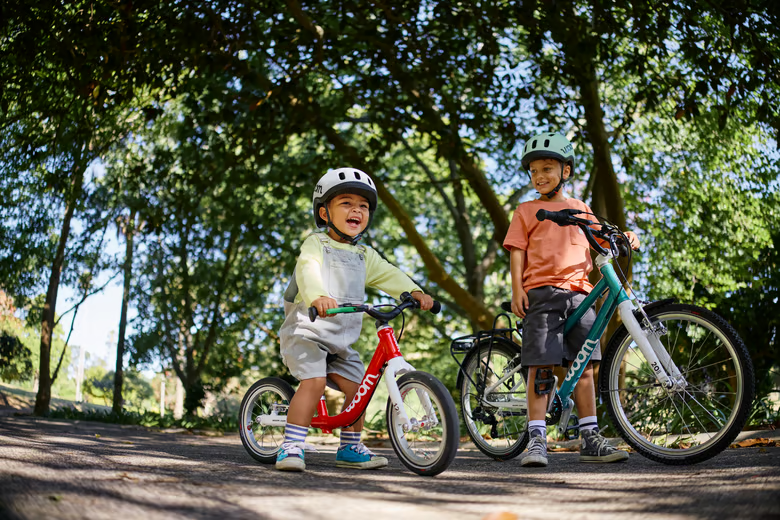
If you’re choosing a bike for a 3-year-old, the options can feel overwhelming. Wheel size, weight, balance vs pedals, inside-leg measurements… and every review site seems to list 20 different models. In reality, choosing the right bike at this age is simple when you focus on what actually matters: light weight, confidence, fit and ease of control. In this guide, we’ll cut through the noise and explain exactly what makes a great bike for a 3-year-old, how to size it properly, and which models suit early riders best - including the Woom GO 2 and the Woom WOW, our two most popular options for this age group. 🔑 Key Takeaways A great bike for a 3-year-old should be lightweight, stable, and easy to control - far more important than fancy features or suspension. Most 3-year-olds fit either a 14” balance-first bike (like the Woom WOW) or a 14” first pedal bike (like the Woom GO 2). Avoid heavy steel bikes, coaster brakes and “grow into it” sizing - these slow progress and dent confidence. Woom, Frog and Early Rider make some of the lightest, best-engineered kids’ bikes - but Woom is often the easiest for beginners. Local sizing and quick test rides (like we offer here in the Ribble Valley) are the fastest way to pick the right bike the first time. 🧭 Jump to: What matters at age 3? Balance bike or first pedal? Sizing guide Best bikes for 3-year-olds Comparison table What to avoid FAQs What actually matters when choosing a bike for a 3-year-old? Three-year-olds are still developing balance, coordination and leg strength. So the right bike should make riding simple, stable and fun. The four things that matter most are: 1. Weight - the biggest factor of all Most big-box-store kids’ bikes weigh 8–12 kg, which is often the same as the child riding it. That’s like giving an adult a 30–40 kg bike. A 3-year-old’s bike should ideally weigh under 5 kg for balance bikes and under 6 kg for pedal bikes. Lighter bikes help children: Start pedalling without wobbling Brake safely Pick the bike up by themselves Build confidence rather than frustration 2. Geometry that matches how children naturally move A good kids’ bike keeps the rider upright and centred, not tipped forward. This improves both visibility and balance - especially important around parks, dogs, driveways and siblings. 3. Child-sized brakes (no coaster brakes) Coaster brakes - where kids have to pedal backwards to stop - are common on cheap bikes but make learning harder. Hand brakes designed for small hands are much safer and easier. 4. Correct saddle height At age 3, children should be able to place their feet flat on the ground when seated. This massively improves confidence during early riding. Balance bike or first pedal bike - what’s better for a 3-year-old? Both can work brilliantly depending on your child’s confidence. Choose a balance bike if: Go for a balance bike when your child still needs to master coasting, steering and basic confidence before pedals enter the picture. Your child hasn’t yet learned to glide confidently They get nervous on anything too “big” or heavy They like scooting more than pedalling Choose a first pedal bike if: Pick a first pedal bike when your child already coasts confidently and is ready to turn that balance into real riding. Your child already glides well on a balance bike They’re excited to “ride a real bike” They’re physically strong enough to push pedals Most 3-year-olds fall into one of these two camps, which is why we recommend either the Woom WOW (balance-first) or the Woom GO 2 (pedal-first). Sizing guide for 3-year-olds Most 3-year-olds fit bikes in the 12–14 inch wheel range depending on height and confidence. Wheel Size Inside Leg Typical Age Best For 12" ~30–36 cm 2.5–3.5 years Balance-first riders 14" ~36–44 cm 3–4 years Confident balance riders ready for pedals If you’re unsure, bring your child to our Ribble Valley showroom - we can size them in seconds and let them try both alongside each other. Best bikes for 3-year-olds (2025 UK guide) This list keeps things intentionally simple - the goal is to highlight just the bikes that genuinely work for most 3-year-olds, rather than overwhelming you with everything on the market. 1. Woom WOW – best balance-first bike for age 3 The Woom WOW is ideal for cautious riders and those still mastering balance. It’s ultra-light, very low to the ground and has a beautifully stable geometry that helps children build confidence fast. 2. Woom GO 2 – best first pedal bike for age 3 The Woom GO 2 is a lightweight 14” pedal bike designed to make the transition from balance riding as smooth as possible. Dual hand brakes, narrow pedal stance and low centre of gravity make it far easier than most generic first pedal bikes. Other respected alternatives (we don’t stock these, but parents often ask): Alongside Woom, a few well-regarded lightweight brands often come up in conversations with parents researching the best bikes for kids. Frog 40 – lightweight and well-engineered; slightly heavier than Woom. Early Rider Belter 14 – premium belt-drive design; fantastic but very costly. Hornit AIRO – popular lightweight balance bike; great value. Woom WOW – Balance Bike Ultra-light balance bike ideal for cautious or beginner 3-year-olds. View build Woom GO 2 – 14" Kids’ Bike Lightweight 14” first pedal bike for confident 3-year-olds ready to ride independently. View build Woom Helmets & Accessories Lightweight helmets and accessories designed specifically for young riders. View range Comparison table - best bikes for 3-year-olds Here’s a quick side-by-side look at the bikes most 3-year-olds perform best on. Use it to compare weight, type and who each model really suits in the real world. Bike Type Weight Best For Woom WOW Balance bike (14") Very light Cautious beginners Woom GO 2 First pedal bike (14") Ultra-light Confident balance riders Frog 40 Pedal bike Light General-purpose families Early Rider Belter 14 Pedal bike Light Premium builds What to avoid when buying a bike for a 3-year-old A few common mistakes make learning harder for 3-year-olds. Here are the things worth avoiding so your child gets the easiest, most confidence-building start. Heavy steel bikes - they slow learning dramatically. Coaster brakes - confusing for young riders. Suspension forks - add weight, no benefit. Bikes to “grow into” - oversized bikes kill confidence. Character bikes (Peppa Pig, Spider-Man etc.) - usually very heavy. Conclusion - so, what’s the best bike for a 3-year-old? For most families, the decision is wonderfully simple: Choose the Woom WOW if your child is still mastering balance or prefers scooting-style riding. Choose the Woom GO 2 if your child already glides confidently and is ready to start pedalling independently. Both are designed around real children - extremely light, confidence-building and easy to handle. They’re also a world apart from the heavy, frustrating “toy store” bikes that slow progress. If you’d like help choosing the right size or want your child to try a couple of models back-to-back, you’re always welcome to visit our Ribble Valley E-Bike showroom. We specialise in Woom kids’ bikes and fit dozens of children each month. FAQs Parents often ask the same core questions when choosing a bike for a 3-year-old. Here are clear, quick answers based on what we see in-store every week. Is a 3-year-old too young for a pedal bike? No - many 3-year-olds can pedal confidently if they’ve mastered balance first. The Woom GO 2 is designed exactly for this stage and is far easier to ride than heavy supermarket bikes. Should a 3-year-old start with a balance bike? If your child is cautious or hasn’t yet learned to glide, a balance bike like the Woom WOW is the perfect starting point. It teaches steering and balance before introducing pedals. What wheel size is best for a 3-year-old? Most 3-year-olds fit either a 12” (balance) or 14” (pedal) bike. Inside leg measurement matters more than age - aim for a saddle height low enough for feet to rest flat on the ground. Do lightweight bikes really make a difference? Absolutely. Lightweight bikes accelerate confidence, reduce wobbling and make starting, stopping and manoeuvring far easier for small riders.

How to Test Ride an E-Bike in Lancashire (Properly)

If you’re thinking about buying an electric bike but don’t want to rely on guesswork, the smartest thing you can do is take one for a proper test ride - not just a quick loop around a retail park. Lancashire is one of the best places in the UK to try an e-bike properly, thanks to real hills, quiet lanes and mixed terrain. Our Dunsop Bridge base sits right in the heart of the Ribble Valley, giving you instant access to meaningful test routes that actually show what an e-bike can do. In this guide, we’ll show you how test rides work, what to look for, and how to book a real-world e-bike trial through our dedicated hire centre. 🔑 Key Takeaways A proper e-bike test ride should happen on real terrain - hills, quiet lanes, mixed surfaces - not outside a retail park. Our Dunsop Bridge hire centre lets you test hybrids, road bikes and e-MTBs on routes that actually show what an e-bike can do. Test rides are handled through our dedicated hire site, with half-day and full-day options so you can really feel the motor, range and handling. If you're buying soon, a test ride is the fastest way to choose the right model without expensive trial and error. 🧭 Jump to: Why test ride an e-bike? Why the Ribble Valley is perfect How our test rides work Before you arrive: Be prepared What to look for on your test ride Popular test-ride routes Which bikes you can try How to book FAQs Why test ride an e-bike before you buy? Electric bikes vary massively in how they feel. Two bikes can share the same motor brand and still ride totally differently because of geometry, weight, tyres and tuning. A proper test ride helps you immediately understand: How strong the motor feels on hills Whether the riding position suits you If the size is right How stable it feels on real roads and surfaces What range you’ll realistically get These aren’t things you can judge by lifting a bike in a shop - you need to pedal it somewhere meaningful. Why the Ribble Valley is perfect for e-bike trials The Ribble Valley and Forest of Bowland are ideal for testing electric bikes because they offer: Quiet country lanes with very little traffic Steady, roll-in climbs that show how the motor responds Smooth tarmac and light gravel so you can compare riding surfaces Stunning scenery if you want to turn a test ride into a day out If you're unsure which style of e-bike suits you - hybrid, MTB or road - nothing beats riding them in real Lancashire terrain. How our test rides work We handle all test rides through our dedicated hire centre in Dunsop Bridge - the same place riders start guided tours and long-distance loops. It’s simple: Choose a bike type - hybrid, road, hardtail e-MTB or full-suspension. Book a half-day or full-day hire via our hire website. Collect from Dunsop Bridge with a quick sizing setup. Ride a proper route that actually lets you assess power, comfort and handling. This gives you far more insight than a 5-minute shop demo. Before you arrive: quick prep tips Wear comfortable clothes and closed shoes. Bring your own helmet if you have one. Carry your phone - useful for maps and photos. If you plan to carry shopping or kit on rides, bring a small backpack to test weight. What to look for during your e-bike test ride A good test ride isn’t just about “does it feel nice?” - you want to understand how the bike behaves on real climbs, junctions, slow-speed corners and rougher patches. Use this checklist to make sure you get a true feel for the bike. Category What to check Motor feel & power • Start from a standstill on a small incline - smooth or jerky? • Try every assist mode (Eco → Turbo). • Climb a proper hill to feel torque & noise. • Check low-speed control - any surging or lag? Comfort & position • Upright and relaxed, or too stretched forward? • Saddle comfy after 10–15 minutes? • Are grips and bars the right width? • Stable when signalling with one hand? Handling & stability • Balance at walking pace. • Cornering feel - steady or twitchy? • Does the front end stay confident on rougher patches? Brakes & control • Firm stop - smooth and quick? • Brake levers light or heavy to pull? • Any squealing or vibration? Gears & drivetrain • Shift through all gears under load. • Smooth transitions or hesitation? • Suitable range for hills vs flats? Battery & display • Screen visible in bright sunlight? • Buttons reachable without looking? • Battery secure - no rattling? Weight & practicality • Lift the front wheel - manageable? • Ride with the motor off - still pedalable? • Realistic for stairs, storage and car racks? Pro tip: If you’re torn between two bikes, ride them back-to-back on the same hill. You’ll notice differences instantly - especially in motor feel, stability and comfort. Popular test-ride routes Here are three short but meaningful loops riders often use when deciding what to buy: Dunsop Bridge → Newton loop - quiet, rolling and ideal for hybrids. Bowland Knotts climbs - perfect for testing motor strength and range. Gisburn Forest access roads - great for checking stability on rougher surfaces. Which bikes can you test? You can try a wide mix of our most popular e-bikes, including: Electric Hybrid Bikes - for everyday leisure and fitness Electric Road & Gravel Bikes - for long rides and hill performance Hardtail e-MTBs - stable, easy-handling off-road options Full-suspension e-MTBs - for riders wanting maximum comfort on trails If you're unsure what to pick, our team will point you toward the right category based on how you actually ride. How to book a proper test ride All test rides are booked through our dedicated hire website. This lets you choose: Bike type Half-day or full-day hire Preferred date Book your E bike test ride here. If you're buying soon, feel free to call us first on 01200 426246 - we can advise the best model to try so you make the most of your ride. FAQs Do I need to be fit to test ride an e-bike? No - that’s the beauty of electric assist. The climbs around Dunsop Bridge are perfect for showing how much easier an e-bike makes riding. How long should a proper test ride take? Short answer: longer than a shop loop. A half-day hire is ideal because it lets you test real climbs, comfort, and battery use. Can I test more than one bike? Yes - speak to us beforehand and we can usually recommend 1–2 models to try back-to-back on the same route. What should I bring? A helmet, comfortable clothing, and your phone. We’ll handle setup, sizing and route suggestions. What type of e-bike should a beginner test first? A comfortable electric hybrid bike is usually the best place to start. It gives you a natural upright position, stable handling and easy power delivery. Once you’ve tried that, you can compare it with a road, gravel or mountain e-bike depending on your riding goals. Can I test ride an e-bike if I’ve never used one before? Absolutely. Most first-time riders find e-bikes far easier than expected. We’ll set everything up for you, explain how the assist levels work, and recommend a route that builds confidence quickly. What happens if the battery runs out during my test ride? You can still pedal the bike normally - it’ll just feel heavier on climbs. Our routes are designed around realistic battery use, and our team will advise the right bike and assist level to avoid running out of power.

Woom GO Review – Is the GO 3 & GO 4 the Best First Bike for Active Kids?

If you’re looking at the Woom GO 3 or GO 4 as your child’s first “proper” bike, you’re already in the right ballpark. These are some of the lightest, most confidence-building kids’ bikes on the market – but they suit slightly different riders, ages and riding styles. In this review we’ll break down what the Woom GO range actually is, how the GO 3 and GO 4 compare, and which model we’d recommend for most UK families based on height, confidence and how your child will really ride day-to-day. 🔑 Key Takeaways Woom GO 3 is ideal as a first “real” pedal bike for ages ~4–5 – very light, very stable, and perfect for neighbourhood rides and school runs. Woom GO 4 suits confident riders ~5–7 who are ready for gears and longer family rides, without jumping straight into a full “mountain bike”. All GO models share the same core DNA – ultra-light frames, upright geometry and smart safety features like the green rear brake – which help timid riders learn quickly. None of the GO bikes are built for serious off-road abuse. They’re at their best on pavements, cycle paths and light gravel – everyday family riding in the real world. From balance bike to first gears - Woom’s size progression makes the transition feel natural. 🧭 Jump to: What is the Woom GO range? Woom GO 3 vs GO 4 Who each GO model suits Key features parents care about Pros & cons GO vs Original vs Automagic Sizing chart Best accessories for GO 3 & 4 Final verdict FAQs What is the Woom GO range? The Woom GO range is Woom’s latest line of small-wheel bikes, replacing the old “Original” naming on the 12–20 inch models. If you’ve seen Woom 1–4 mentioned in older reviews, the GO 1–4 are essentially the updated versions with refreshed colours, contact points and a few smart tweaks. The range looks like this: Woom GO 1 – 12” balance bike for toddlers finding their feet. Woom GO 2 – 14” first pedal bike, perfect bridge from a balance bike. Woom GO 3 – 16” lightweight pedal bike for ages 4–5. Woom GO 4 – 20” geared bike for confident riders around 5–7. Above that, older kids move onto the Woom Explore and Woom OFF / OFF Air ranges instead of GO. So GO is very much about those crucial early years – helping children move from scooting, to pedalling, to riding properly on family rides. All GO models share the same design philosophy: ultra-light aluminium frames, upright geometry, narrow pedal stance and small-hand-friendly controls. That’s why they feel so different to the heavy, “shrunken-down adult” bikes you see in most big chain stores. At Ribble Valley E-Bikes we specialise in the full Woom GO range, so we spend a lot of time matching real children to the right size and model. The upright, relaxed Woom GO position helps new riders feel secure from the first pedal strokes. Woom GO 3 vs GO 4 – key differences On paper, the Woom GO 3 and GO 4 look quite similar: both are light, kid-specific bikes with hand brakes, steering limiters and Woom’s trademark easy geometry. In practice, they sit at two different stages of your child’s cycling journey. Spec / Feature Woom GO 3 Woom GO 4 Wheel size 16" 20" Typical age range 4–5 years 5–7 years Gears Single speed 7-speed (grip shifter) Riding style Neighbourhood rides, school run, park paths Longer family rides, gentle hills, mixed paths Best for First “proper” bike after GO 2 / balance bike Confident rider ready to explore further with gears Handling Very stable, forgiving, extremely easy to control Still stable, but with more room to stretch and grow If your child is still quite new to pedalling, or moving up from a Woom GO 2 or balance bike, the Woom GO 3 is usually the sweet spot. It keeps things light and simple with one gear and a very low standover. If they’re already whizzing about on a smaller bike and starting to tackle longer rides, gentle hills and cycle paths, the Woom GO 4 adds gears without feeling “too much”. It’s a brilliant choice for families who ride together at weekends or on holidays. Who each Woom GO model suits (GO 1 → GO 4) One of the big strengths of Woom is that you can map out a full journey from first scoots to proper gears. Here’s how the GO range breaks down in real life. Woom GO 1 – balance bike for tiny riders Woom GO 1 is for toddlers who are just starting to glide. It has a super-low step-through frame, very low minimum saddle height and weighs much less than most balance bikes you’ll find on the high street. It’s ideal if you want your child to skip stabilisers entirely and go straight from balance bike to pedals. The upright position, steering limiter and small-diameter grips all help them feel secure while they learn to coast and steer. Woom GO 2 – the first pedal bike Woom GO 2 is the classic “first pedal” option. It’s a 14" bike designed for children around 3–4 years old who can already glide confidently on a balance bike. Parents love GO 2 because it’s so light that most kids can physically pick it up, and the dual hand brakes with colour-coded rear lever make it much easier to teach good habits than a cheap bike with a heavy coaster brake. Woom GO 3 – first “real bike” for ages ~4–5 The Woom GO 3 is where things start to feel like a proper bike rather than a toy. It’s a 16" single-speed bike with the same upright, confidence-boosting geometry, but with more room for growing legs. We usually recommend GO 3 if: Your child is around 4–5 years old and confidently pedalling on something smaller. They mostly ride on pavements, driveways, parks and cycle paths. You want something that feels light and easy to control, not a mini mountain bike. For many families, this is the bike that unlocks independent school runs, proper family rides on traffic-free paths and weekend adventures around places like the Ribble Valley and local parks. Woom GO 4 – for confident riders who are ready for gears Woom GO 4 ups the wheel size to 20" and adds a 7-speed grip shifter. It still keeps the upright stance and light frame, but gives children more speed and climbing ability for hilly routes and longer days out. It’s a good fit if: Your child is 5–7, already pedals well and is asking to go “further”. You ride as a family on cycle paths, canal towpaths or gentle off-road routes. You want a bike that will last a couple of years before they jump to OFF / Explore. If you’re unsure whether your child is better on GO 3 or GO 4, feel free to get in touch or visit our showroom – we can usually tell within a minute of seeing them sit on both. Lightweight frames make it easier for young riders to handle hills, starts and everyday manoeuvres. Key features parents actually care about Most spec sheets talk about tubing and tyre names. Parents care more about whether their child will actually enjoy riding the bike. Here are the features that make the Woom GO range stand out in the real world. Ultra-light weight (for both kids and parents) Woom GO bikes are significantly lighter than the average kids’ bike with the same wheel size. That sounds like a nice detail, but it’s a game-changer when your child is still building strength and co-ordination. A lighter bike means: Easier starts – they can get turning without wobbling and “giving up”. Safer stops – less weight to wrestle under control. Less frustration – they can move the bike around on their own in the garden or driveway. Upright, confidence-building geometry Woom design their frames around how children naturally stand and walk. The GO bikes place their weight over their hips with a relaxed, upright riding position, rather than tipping them forwards over narrow bars. This gives them great visibility, a calm sense of balance and more time to react to kerbs, dogs, siblings and everything else that appears in front of them. Small-hand-friendly, colour-coded brakes Every Woom GO bike uses dual hand brakes with compact levers designed for small hands. The rear brake lever is bright green, matching the rear pads, so you can simply say “squeeze the green one first” rather than asking them to remember left and right mid-panic. The levers are tool-free adjustable, so we can set them up in the shop to suit your child’s reach on collection. Steering limiter for new riders All GO bikes come with a discreet steering limiter. It stops the bars from being turned so far that they cross up and throw your child off balance, and it helps stop cables being twisted when they pick the bike up or spin it round. Once they’re more experienced, it can be removed – but for most beginners, it’s a simple safety net that causes no downsides at all. Tyres that make sense for everyday riding Woom fit the GO range with relatively skinny, fast-rolling tyres. They’re ideal for pavements, smooth paths, dry grass and light gravel. That’s exactly where most children actually ride most of the time. If you know your child will spend more time on rough, rooty or muddy trails, we’d usually suggest looking at a Woom OFF or OFF Air instead. Kickstand and kid-proof details A proper rear-mounted kickstand comes as standard on the GO 2 and above. Children love it – and it quietly saves the frame and controls from constant crash landings on the floor. There are also lots of small touches that parents spot up close: sealed bearings, neat routing, rounded bolts, proper chain guards and bar-end bumpers that save walls, paintwork and knees. Early balance bike confidence builds the foundation for smooth progression into the GO range. Woom GO 3 & GO 4 – pros and cons Short and honest – here’s how we’d summarise the Woom GO 3 and GO 4 for most UK families. Pros Very lightweight – easier for kids to handle and more fun to ride. Upright, stable geometry that really helps nervous riders relax. Kid-sized brakes and grips that actually fit small hands. Great resale value – Woom bikes are easy to sell on when outgrown. Thoughtful extras like the kickstand, steering limiter and colour-coded rear brake. Cons Premium price point compared to supermarket or big-box bikes. GO 3 can be outgrown relatively quickly by taller or fast-growing children. Tyres aren’t built for very rough or muddy trails – they’re town and path biased. Woom GO vs Woom Original vs Woom Automagic If you’ve been reading older reviews or watching YouTube content, you’ll still see a lot of mentions of Woom Original 2 / 3 and Automagic. Here’s how it fits together now. Woom Original 1–4 – the previous naming for the 12–20" bikes. Woom GO 1–4 – the updated line, with new colours and refined details. Woom 3 Automagic – a version of the 16" bike with an automatic 2-speed hub. The GO models are simple single-speed bikes (until you reach GO 4’s 7-speed) with fewer moving parts and very low maintenance. Woom 3 Automagic uses clever internals to shift gear automatically, which some children love – but it does cost more and adds a bit of mechanical complexity. If you want the most straightforward, robust option for everyday use, GO 3 and GO 4 are perfect. If you’re specifically excited about automatic gearing and are happy with the extra cost, Automagic is an interesting alternative at the 16" size. The GO range isn’t just about bikes — it’s about family rides, confidence and shared milestones. Woom GO sizing chart Use this as a starting point – then consider your child’s confidence, not just their height. Model Wheel size Approx. child height Inside leg (minimum) Typical age Woom GO 1 12" 82–100 cm ≈ 30 cm 18 months–3 years Woom GO 2 14" 95–110 cm ≈ 40 cm 3–4 years Woom GO 3 16" 105–120 cm ≈ 47 cm 4–5 years Woom GO 4 20" 115–130 cm ≈ 55 cm 5–7 years If your child sits between sizes, a confident rider who already pedals well will usually be happier on the larger bike, while a more cautious rider often does better starting on the smaller one. Best accessories for Woom GO 3 & GO 4 The right accessories make a huge difference to confidence and safety, especially for younger riders. Woom Helmet A properly fitting helmet is non-negotiable, and the Woom helmet range is designed to match the bikes – light, well-ventilated and easy to adjust. Bright colours help children stay visible on family rides and school runs. Woom Kickstand Although the GO bikes come with a stand, many families like to add a separate Woom kickstand as a spare or upgrade on other bikes. It’s mounted neatly out of the way of the pedals and helps protect the frame and controls from constant drops. Bells, mudguards and racks Small touches like a Woom Bing bell, clip-on mudguards and the Pickup rack make day-to-day riding more practical in typical UK weather. Children also love adding a Glug bottle and cage once they’re riding further. Woom GO 3 – 16" Kids’ Bike Lightweight first “real” bike for kids around 4–5, ideal for pavements, parks and school runs. View build Woom GO 4 – 20" Kids’ Bike 20" geared bike for confident riders aged 5–7 who are ready for longer family rides and mixed terrain. View build Woom Helmets & Accessories Match your child’s GO bike with a lightweight helmet, bell, mudguards and bottle for everyday riding. View range Final verdict – is the Woom GO 3 or GO 4 the best first bike for active kids? For most families, the answer is simple: Choose Woom GO 3 if your child is around 4–5, still building confidence, and you want the lightest, easiest-handling first bike you can buy. Choose Woom GO 4 if they’re already riding well, are closer to 6–7, and you know they’ll make use of gears on longer rides and gentle hills. Both are a huge step up from heavy, generic kids’ bikes and tend to stay in the family or sell on quickly when outgrown. If you’d like help choosing the right size or model, you’re always welcome to get in touch with our team – we live and breathe kids’ bikes and can usually narrow it down in one conversation. Ready to find your child’s next bike? Start with our full Woom range here, or head straight to the Woom GO models to compare colours and builds. FAQs Is the Woom GO 3 a good first pedal bike? Yes – for many children, Woom GO 3 is the first bike that feels like a “proper bike” rather than a toy. If your child has already pedalled on something smaller or is a confident balance bike rider and is roughly 4–5 years old, GO 3 is often the ideal next step. Should I buy the Woom GO 3 or GO 4 if my child is between sizes? If they’re on the smaller side or still a bit cautious, we’d generally choose GO 3 for easier handling. If they’re already confident, growing fast and keen to ride further with you at weekends, GO 4 is usually better long-term value. Can my child use a Woom GO bike on trails? The GO range is designed for pavements, parks, canal paths and light gravel. They’ll cope with smooth off-road riding, but if your child is heading for proper mountain bike trails, jumps or very rough tracks, a Woom OFF or OFF Air will be a better match. Do Woom GO bikes hold their value? Yes. Because they’re so light, well-engineered and in demand, Woom bikes tend to sell quickly second-hand if they’ve been looked after. Many families move through GO 2 → GO 3 → GO 4 and either pass bikes down siblings or resell them locally.

Megamo Reason Review – Why This Spanish e-MTB Has Riders Talking

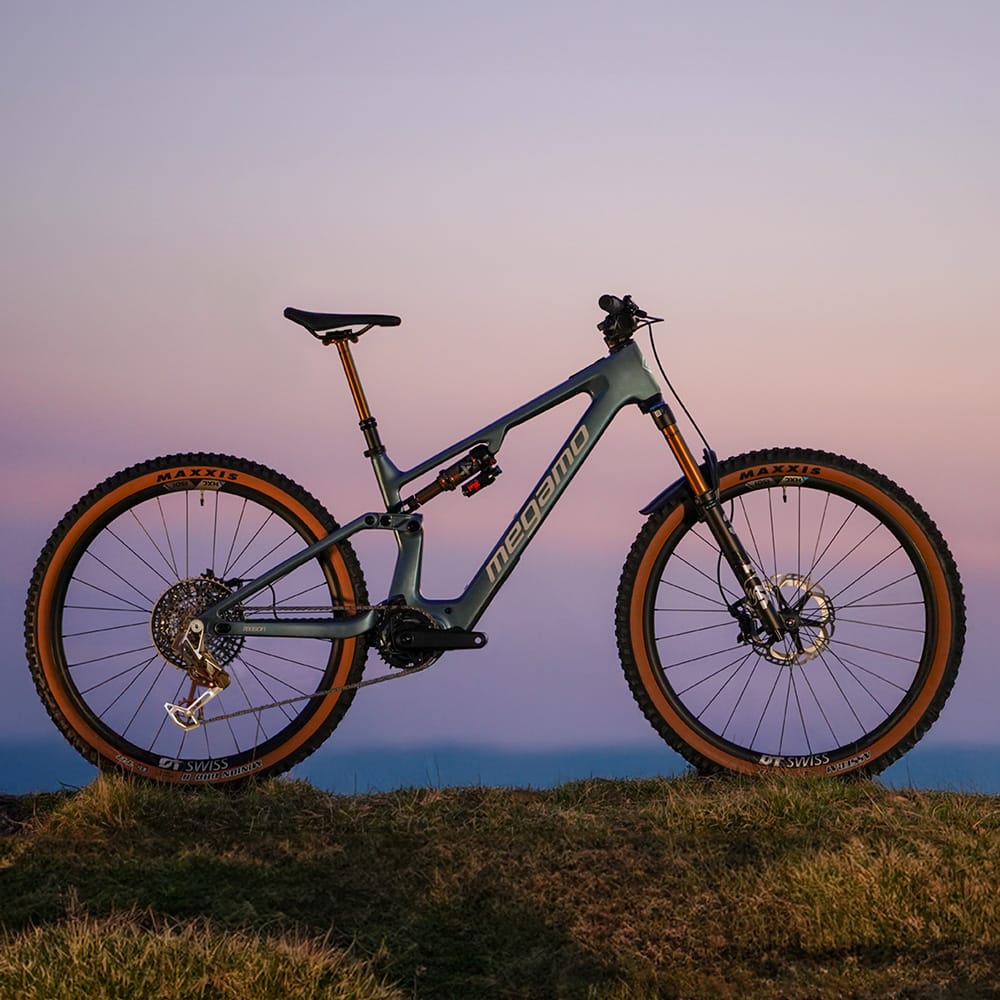
If you’ve seen the bright orange Megamo Reason flashing across YouTube or the trails lately, you’re not imagining it – this Spanish-built e-MTB is making a serious entrance. It’s a full-power, full-carbon 160 mm bike built around DJI’s Avinox M1 motor system – delivering 120 Nm of torque, a big 800 Wh battery, and handling that feels more like a lightweight trail bike than a 21 kg e-machine. But it’s also a bike that splits opinion. The sleek frame hides a non-removable battery and headset cable routing, which some riders love for the clean look – and others instantly rule out. At Ribble Valley E-Bikes, we stock everything from the affordable Reason AL models through to the top-end Reason CRB 01, so we’ve pulled together: Rob Rides EMTB’s full video review Independent press tests Rider feedback from Reddit and forums Real-world owner impressions Our own experience of how the Reason rides on UK trails This guide breaks down what the bike does well, where it divides opinion, and which version best fits your riding. The Megamo Reason – slim, modern and very much not your average full-power e-MTB. Clean frame lines hide the Avinox M1 motor and 800 Wh battery inside the slim downtube. 🔑 Key Takeaways Lightweight full-power e-MTB: Around 21 kg with an 800 Wh battery and 120 Nm torque. Trail / light-enduro focused: Superb suspension and geometry for modern UK riding. Trade-offs to accept: Fixed battery and headset cable routing are the main compromises. Plenty of choice: Available in both alloy and carbon builds at multiple price points. 🧭 Jump to: Quick Verdict Key Specs Design & Frame Motor & Battery Suspension & Handling Climbing & Descending Sizing & Fit Real Rider Feedback Alloy vs Carbon Who It Suits Reason Range Conclusion FAQs Quick Verdict – Should You Buy a Megamo Reason? If you want the “tell me straight” version before the deep dive: The Megamo Reason is a lightweight, full-power e-MTB with a huge 800 Wh battery, a seriously smooth Avinox motor and geometry that feels ready for proper trail and light-enduro riding. It rewards confident, active riders who want a fast, stable bike for big days out – and who aren’t scared off by headset cable routing or a fixed battery. What it does really well Looks and frame design – slim downtube, tidy silhouette, nothing like the chunky e-MTBs we were seeing a few years ago. Motor system – Avinox M1 is powerful, quiet and highly tunable via app and on-bike touchscreen. Battery & weight – 800 Wh with claimed ~21–21.5 kg weight on the carbon models is a very strong combo. Suspension – four-bar Horst link layout with FOX suspension gives loads of grip and support. Value – the alloy Reason AL builds bring Avinox performance and the same core frame/platform down to more reachable budgets. What you need to be OK with Headset cable routing – looks tidy; lots of riders hate working on it. Fixed internal battery – lighter and stiffer frame, but you can’t lift the pack out for charging or winter storage. Spec choices – EXO casing tyres and short stock dropper on some builds are under-gunned for heavier, harder riders. Sizing – bikes run big; many riders are sizing down. If that mix still sounds promising, the Reason is absolutely worth shortlisting – especially if you want something that doesn’t look like every Bosch-powered trail bike in the car park. Watch Rob Rides EMTB’s full Megamo Reason review on YouTube. Key Specs at a Glance (Reason CRB 01) To keep things simple, we’ll use the top-end Reason CRB 01 as the reference build: Frame: Full carbon, 160 mm rear travel, four-bar Horst link Fork: FOX 36 Factory, 160 mm (can run 170 mm / 38 if you really want to push it) Shock: FOX Float X2 Factory, 160 mm Wheel size: 29" front and rear (with flip-chip for small geo tweaks) Motor: DJI Avinox M1, up to 120 Nm torque, ~1,000 W peak Battery: 800 Wh fixed internal pack Display: 2" OLED top-tube touchscreen with app connectivity Weight: ~21–21.5 kg in size L (full-power, big-battery build) Travel class: 160/160 mm – all-mountain / light-enduro platform Side-profile of the Megamo Reason CRB 01 – the 160/160 mm reference build used for these key specs. Other Reason and Reason Air builds keep the same design language and motor system, but drop spec and/or travel for better value and lighter weight. 👉 Browse the Megamo Reason Range Design & Frame – Slim, Modern and Very “New Wave e-MTB” Most riders who see the Reason in person have the same reaction: “That’s an e-bike?” The down tube is noticeably slimmer than most full-power bikes, even with an 800 Wh pack hidden inside. Pair that with clean lines through the main triangle, colour-matched FOX suspension on the higher builds, and you get a bike that looks closer to an aggressive analogue enduro rig than a typical e-MTB. A few details worth calling out: Four-bar Horst link suspension: Simple, proven layout with good small-bump sensitivity, predictable braking behaviour and room for long droppers. 160 mm front and rear travel: Enough to handle steeper UK trail centre blacks and natural enduro tracks, without turning into a blunt park bike. Flip chip: Allows a small geo tweak between “low” and “high” settings. In practice it changes things only slightly, but it’s handy if you want a fraction more BB height or a touch steeper front end. Headset cable routing: Internally, the lines drop through the stem/headset rather than entering the head tube in the traditional way. Looks very tidy. Mechanics and home tinkerers are far less impressed – expect more faff for bar swaps, brake bleeding and headset bearing jobs. Paint and finishes The orange “factory” colourway in the video pops hard in the sun, but Megamo also offer deeper blue and raw/silver options – the alloy frames do a good job of mimicking carbon with smoothed welds and hydroformed tubing. If you prefer something more understated for muddy UK winters, the darker tones work well. Motor & Battery – Avinox M1: Smooth, Powerful and Very Tunable Megamo’s big swing is building the Reason around DJI’s Avinox M1 system instead of the usual Bosch/Shimano suspects. That choice is doing a lot of heavy lifting. On paper: DJI’s Avinox M1 motor delivers 120 Nm of torque with seamless, app-tunable assistance. ⚙️ Avinox M1 Motor Highlights Torque: 120 Nm Peak Power: ~1,000 W Battery: 800 Wh internal (non-removable) Charging: ~1% per minute with 12A charger Display: 2” OLED touchscreen + mobile app On the trail: Reviewers and early riders consistently say the Avinox feels extremely smooth and predictable. Power ramps with your own torque, rather than surging in blocks, so the bike feels like a stronger version of your legs rather than a motor dragging you up the hill. One particularly useful detail from Rob’s testing: you can run lower assistance with full peak power. That means: In Trail mode, you can set the motor so you need to put in meaningful watts (say, ~450 W) to unlock the full 1,000 W from the system. In Turbo, you can let the motor do the heavy lifting, cruise fire roads and wipe out the boring parts of a ride. Fast charging vs removable packs The fixed battery is the main dividing line in rider comments: Some love the cleaner frame, lower weight and fewer rattles, and just top the bike up during lunch stops or in the van using a power pack. Others absolutely want a removable pack for hotel/B&B storage, flat access, or long-term serviceability. If you live in a flat where the bike stays in a ground-floor store or garage and the charger can reach, the fixed pack is much less of a concern. If you rely on carrying batteries into warm indoor storage across winter, it’s something to think about before you buy. Suspension & Handling – Stable, Fast and Lively Out of the Box With 160 mm travel front and rear, a 63.5° head angle and a long wheelbase, you’d expect the Reason to be a straight-line plough. In reality, it’s more nuanced than that. Suspension behaviour Riders and reviewers both praise the four-bar layout: Very supple off the top, happy to track wet roots and small chatter. Enough support and progression to handle drops around the 5–6 ft mark without harsh bottom-outs, especially once you add another volume spacer. FOX 36 Factory / Float X2 pairing on the CRB models gives you a huge tuning window and a feel that’s closer to a “mini-DH” bike than a tame trail rig, without feeling dead. Handling and tyres Two stock choices flavour the ride feel: Short 35 mm stem = sharp steering out of the box. Fast-rolling EXO casing tyres = low weight and speed, at the cost of a slightly pingy, nervous feel in rougher terrain and higher puncture risk for heavier riders. Most testers who pushed the bike hard said the same thing: “Give me slightly heavier-casing tyres and a 50 mm stem and this becomes the sweet-spot setup.” That’s good news for UK buyers, because a casing upgrade and small cockpit tweak are relatively cheap and easy changes – and you get to keep the light, playful feel while gaining more grip and damping on rockier trails. Climbing & Descending – What to Expect on UK Trails Every great e-MTB can climb and descend – but how it feels on real UK terrain is what separates the good from the great. Here’s what to expect from the Reason once you leave the car park and hit proper trails. Climbing On fire roads and mellow singletrack, the Reason climbs efficiently and comfortably. On steeper, more technical climbs, some riders have described the bike as a little rear-biased – you’ll need to consciously weight the front wheel to hold tight lines. The steep seat tube angle and long chainstays do help, but long reach on the size L amplifies that “rear-heavy” sensation for some. The flip side is that the Avinox motor has the traction and control to crawl up silly gradients when you get your balance right. With assistance tuned properly, it makes trials-style tech climbs feel achievable rather than something to dread. Descending Pointed downhill, the Reason shines: Composed and stable at speed, without feeling like a dead weight. Happy to plough through choppy rock gardens and root carpets, but still willing to pop and change lines rather than locking into a single track. Taller front end and long chainstays combo gives a reassuring “in” rather than “on” the bike feeling – great for first-time big-travel e-MTB owners. The only real limitation stock is the shorter dropper on some builds. Taller riders in particular will appreciate upgrading to a 210–240 mm post to really make the most of the low seat tube and straight insertion. Sizing & Fit – Important Before You Hit “Buy” One clear message from comments and forum threads: Megamo’s sizing runs big. The size L has a 500 mm reach and long wheelbase figures you’d usually see on an XL from mainstream brands. Several riders around 5'10" (178 cm) reported that they’d pick a size S or M, not an L, to get the handling they want. At the very tall end (190 cm+), some testers feel the current 3-size spread (S/M/L) doesn’t give quite enough adjustability. If you’re between sizes or used to “modern long and slack” geometry already, there’s a good chance you’ll want to size down on the Reason compared to, say, Cube or Haibike. This is where a proper test ride makes all the difference – especially if you’re buying a bike at Reason CRB price levels. We’d always recommend swinging a leg over at least one size before committing. Real Rider Feedback – The Main Themes Once you strip out the YouTube hype and forum noise, a few themes keep popping up from real riders: Positive “Looks absolutely superb; doesn’t scream e-bike at a distance.” “Motor feels incredibly smooth and natural; no surging or awkward pickup.” “Climbs better than expected once you get your weight forward.” “Suspension feels nicely balanced – sensitive but still supportive when it gets rough.” “Cheaper alloy models share the same geometry and motor, so the entry ticket into Avinox/Megamo is strong.” Critical / watch-outs “Headset cable routing means I won’t buy one, regardless of how well it rides.” “Fixed battery is a big concern for B&B stays and winter storage.” “Tyres and dropper are under-specced for a 160 mm e-MTB.” “Limited sizes and big reach numbers make sizing tricky for short and very tall riders.” Our take: the ride quality, weight and motor system are strong enough that many riders are happy to accept the compromises. But if you’re already firmly against headset routing or non-removable batteries, this probably isn’t the electric mountain bike that will change your mind. Real-World Ride Impressions – UK Trails, Real Conditions The Megamo Reason tackling mixed UK terrain – fast hardpack, roots and wet grit. 🏔️ How it feels on the trail Most testers describe the Reason as sitting halfway between a full-power enduro bike and a lightweight “SL” e-MTB. Power delivery: linear, grippy and confidence-boosting on wet climbs. Handling: agile through switchbacks yet planted at speed. Ride feel: the Avinox motor disappears once you’re moving — it feels like a fitter version of you. Battery life: 800 Wh easily covers 40–50 km trail loops with mixed elevation. “It’s the first full-power bike that rides like an analogue enduro rig.” – Rob Rides EMTB Alloy vs Carbon – Which Megamo Reason Build Makes Sense? From a performance and value perspective, the sweet spots in the range tend to be: Reason AL 05 – alloy frame with FOX 36 Performance / Float X, Avinox motor, solid mid-tier components. Great for riders who want the platform and motor without spending top-end money. Example product: Megamo Reason AL 05 Reason CRB 01 – full-carbon flagship with Factory suspension, electronic drivetrain and premium wheelset. Ideal if you want the lightest, sharpest version of the bike out of the box. Example product: Megamo Reason CRB 01 The important thing is that geometry and motor system stay consistent across the family, so you can choose based on budget and component preference rather than worrying about “second-class” frames. If you’re not sure which build fits your riding, budget and local terrain, the easiest way is to: Shortlist 2–3 builds from our Megamo Reason range. Compare suspension, brakes and drivetrain first – those shape ride feel more than flashy finishing kit. Think about your likely upgrade path (tyres, dropper, stem) and budget accordingly. Who the Megamo Reason Suits Best The Reason is a great match if: You want a full-power, long-travel e-MTB that still feels relatively light and agile. You like the idea of a modern motor system with lots of configurability rather than sticking to the usual suspects. You mostly ride trail, all-mountain and light-enduro terrain rather than pure bike-park laps. You’re willing to tweak tyres, dropper and cockpit to get the bike feeling exactly how you like. It’s not the ideal bike if: You need a removable battery for charging or storage logistics. You refuse to deal with headset cable routing on principle. You ride constant steep, tight switchbacks and prefer ultra-short wheelbases and razor-sharp flickability above all else. How it compares to rivals If you’re cross-shopping the Reason against Bosch or Shimano-powered bikes like the Cube Stereo Hybrid 160, Haibike AllMtn or Orbea Wild, expect a very different character. The Megamo feels lighter and more agile, with the Avinox motor delivering smoother torque and less mechanical “kick”. You give up the widespread service network of Bosch, but gain a frame that looks and rides closer to a high-end analogue enduro bike. For riders who care as much about handling and aesthetics as outright support coverage, it’s a compelling trade-off. If that still sounds like your kind of riding, the Reason is absolutely worth a proper demo. Megamo Reason Range at a Glance – Which Build Fits You Best? The Megamo Reason family splits into two clear camps - the lighter Reason Air models for fast, flowy trails, and the full-power Reason builds for bigger terrain and all-mountain riding. Here’s a quick guide to help you choose. Model Why choose it Reason Air AL 04 Entry-level Air with the same Avinox motor and 800Wh battery – perfect for new riders. Reason Air AL 09 Upgraded drivetrain and suspension for trail-centre days and all-round use. Reason Air AL 15 FOX suspension and stronger brakes – great value for confident trail riders. Reason Air CRB 00 Full carbon frame, lightest Air model – ideal for riders chasing weight savings. Reason Air CRB 08 Factory suspension and high-end spec – premium feel in a mid-travel platform. Reason Air CRB 10 Top of the Air range – cutting-edge build for XC and trail speed fiends. Reason AL 03 Entry-level full-power e-MTB – great start for those new to 160mm travel bikes. Reason AL 05 Sweet-spot all-rounder with FOX Performance suspension and strong value. Reason AL 07 Tougher spec and brakes – suits heavier or more aggressive riders. Reason CRB 01 Flagship carbon build – Factory suspension, premium drivetrain, ultimate refinement. Reason CRB 03 Lighter carbon platform with a more attainable mid-range spec. Reason CRB 05 Balanced spec for trail and enduro use – strong mid-tier choice. Reason CRB 07 High-end performer just below the flagship – blends value with top-spec components. 💡 Quick tip: The Reason AL 05 hits the best balance of value and performance for most UK trail riders, while the CRB 01 is the top pick for those chasing the lightest, sharpest build available. Conclusion – Is the Megamo Reason the Right e-MTB for You? The Megamo Reason isn’t trying to be the safest, most middle-of-the-road choice. It’s a bold, modern e-MTB that combines a slim, almost analogue-looking frame with a seriously powerful Avinox motor, big 800 Wh battery and sorted 160/160 mm suspension platform. If you’re happy to live with a fixed battery and headset cable routing, you’re rewarded with a bike that climbs better than its travel suggests, feels stable and composed when the trails get rough, and still comes in lighter than many full-power rivals. The alloy builds offer an especially strong way into the platform without giving up the geometry or motor that make the Reason interesting in the first place. If you’re unsure on size, spec or whether the Reason fits your local riding, the best next step is simple: 👉 Shortlist a couple of builds from our Megamo Reason range, then book a test ride from our Ribble Valley showroom. We’ll help you get the right size, talk through tyres/dropper/stem tweaks and let you feel how the Avinox motor and suspension behave on real UK trails – so you can decide with your legs, not just a spec sheet. Pick Your Megamo Reason - Our Top Recommendations Not sure where to start? These four builds cover most UK riders - from best-value alloy to full-carbon flagship. Reason AL 05 Best-value all-rounder with FOX Performance suspension and the full-power Avinox system. Ideal for: UK trail centres, big weekend rides, riders upgrading from analogue enduro bikes.   View build Reason CRB 01 Full-carbon flagship with FOX Factory suspension, premium drivetrain and 800 Wh battery. Ideal for: riders chasing the sharpest handling and lowest weight out of the box.   View build Reason Air AL 15 Mid-travel “Air” build with FOX suspension and stronger brakes – lighter, livelier feel. Ideal for: fast flow trails, all-day rides and riders who don’t need full 160 mm travel.   View build Reason Air CRB 08 Carbon-frame Air model with Factory-level kit – fast, efficient and seriously refined. Ideal for: riders who want a lighter, premium-feel e-MTB for mixed XC / trail use.   View build FAQs – Megamo & the Reason, Answered Before you buy (or even demo) the Reason, there are a few recurring questions every rider seems to ask – from battery practicality to long-term ownership quirks. Here’s what you’ll actually want to know: Is the Megamo Reason reliable long-term? The Reason’s Avinox M1 motor is still relatively new, but early testing and real-world use show it’s impressively smooth and quiet with none of the overheating or rattle issues some early Avinox bikes had. The frame, suspension and general build quality are all solid – most rider criticism centres on maintenance access (headset routing) rather than durability. Can I remove the battery for charging or travel? No – the 800 Wh battery is fixed inside the frame. That’s a deal-breaker for some, but it also means the frame stays slimmer, stiffer and lighter. Most owners just charge via the 12 A fast charger (around 1% per minute) and top up from a van or power bank during rides. How big a deal is the headset cable routing really? It depends on how hands-on you are. If you like swapping bars, brakes or stems, it’s an extra layer of faff – but it’s not a reason to dismiss the bike outright. Most owners find it fine once set up, and it undeniably gives the Reason its clean front-end look. What size should I get? The Reason runs large – a size L feels closer to most brands’ XL. Riders around 5'10" (178 cm) have found a Medium or even Small gives a better handling balance. Always demo before buying if possible, especially if you’re between sizes. How does the Avinox motor compare to Bosch or Shimano systems? Power-wise, it’s a monster – up to 120 Nm and 1,000 W peak, with very natural torque response. The Bosch CX still wins for service network and proven mileage, but Avinox feels smoother and more tuneable through the app. Think of it as the performance motor for riders who like to customise. Is the Megamo Reason worth the money? If you’re paying for the CRB models, you’re in top-tier e-MTB territory – but the alloy Reason AL range offers exceptional value, with the same motor, geometry and suspension layout at nearly half the cost. If you’re comparing spec-for-spec against Cube, Trek or Orbea, Megamo’s pricing looks very strong. What are the first upgrades most owners make? Heavier-casing tyres (EXO+ or DoubleDown) and a longer dropper post. Both upgrades improve stability and confidence on technical UK trails without breaking the budget. Who is the Reason best suited to? Trail and all-mountain riders who want full power and range in a bike that still feels lively. It’s ideal for riders who enjoy big days out, natural descents and light enduro terrain – not necessarily park laps or constant tight switchbacks.

Woom 1 vs Woom 2 – Which Bike Is Best for Your Child’s First Ride?

Choosing your child’s first bike can feel confusing - especially when both the Woom 1 and Woom 2 seem perfect for beginners. Both are incredibly lightweight, beautifully designed, and built to help kids learn at their own pace. But the right choice depends on your child’s age, height, and confidence level. New from Woom: For the youngest riders, there’s now the Woom WOW - a compact balance bike designed for ages 9–18 months. It’s perfect for introducing balance and coordination even earlier, before moving up to the Woom 1 or Woom 1 Plus. This guide is for parents choosing their child’s very first bike – whether that means starting on a balance bike or taking the next step to pedals. As one of the UK’s leading Woom retailers, Ribble Valley E-Bikes helps families find the perfect fit, right down to the smallest details like frame size, brake reach, and colour choice. Let’s break down how they compare, when to make the switch, and which one is the best fit for your little rider. 🔑 Key Takeaways Woom 1: Best for toddlers learning balance and coordination (18 months–3.5 years). Woom 2: Best for preschoolers ready to start pedalling – or use as a balance bike with pedals removed (3–4.5 years). Both are ultra-light, confidence-boosting, and designed to make learning to ride easier and more fun. Woom 1 – the perfect first balance bike for toddlers Woom 2 – confidence for those first pedal strokes 🧭 Jump to: Woom 1 Woom 2 Comparison FAQs The Woom 1 – The Ultimate First Balance Bike If your child is starting to balance independently, the Woom 1 is the perfect next step after the Woom WOW - ideal for toddlers aged 18 months to 3.5 years who are ready to glide and steer confidently. For slightly taller toddlers, the Woom 1 Plus offers the same lightweight feel in a slightly larger 14-inch frame - ideal if your child is starting a little later or has already mastered the basics of balance. The low step-through frame makes it easy to climb on and off, while the small handbrake teaches early control without the need for pedals. It helps children develop coordination and steering skills safely - long before they’re ready to pedal. The Woom 1 Plus bridges the gap perfectly for taller toddlers or older beginners who’ve outgrown the standard Woom 1 but aren’t quite ready for pedals. Parents love how quickly toddlers progress once they have a Woom 1 under them. Within a few weeks, many are gliding with their feet up and huge smiles on their faces. Lightweight and low to the ground – perfect for early confidence building The Woom 2 – The First Pedal Bike (and a Clever Transition Option) When your child is ready for pedals, the Woom 2 is the natural next step. Suitable for ages 3 to 4.5 years, it’s incredibly light at 5kg, with 14-inch wheels and the same child-specific geometry that makes Woom bikes so easy to handle. Built from high-grade aluminium with child-specific geometry, it’s designed to be easy to lift, steer, and stop – giving children the same sense of control they enjoyed on the Woom 1. What makes the Woom 2 clever is its flexibility – you can remove the pedals and use it like a balance bike at first. Once your child is gliding confidently, simply refit the pedals and they’ll transition to pedalling almost instantly. With two responsive handbrakes, a full chain guard and a comfortable upright riding position, it’s designed to make those first independent rides feel effortless. Pair it with a Woom Kickstand or Woom Bell to make everyday riding even easier. Removable pedals make the Woom 2 a smart transition bike Dual hand brakes for smooth, child-friendly control Upright geometry helps kids feel stable and safe Woom 1 vs Woom 2 – At a Glance If you’re short on time, here’s a quick side-by-side look at how the two bikes compare. Both share Woom’s ultra-light design and confidence-boosting geometry, but each suits a different stage in your child’s riding journey. Feature Woom 1 Woom 2 Type Balance bike First pedal bike Age range 18 months–3.5 years 3–4.5 years Wheel size 12" 14" Weight 3kg 5kg Pedals None Removable Brakes Rear hand brake Dual hand brakes Learning focus Balance & coordination Pedalling & control Best for First-time riders Confident balance riders From first balance to first pedal – the Woom journey grows with your child You can explore both bikes side by side on our Woom Kids’ Bikes page. When Should You Move From Woom 1 to Woom 2? If your child can glide for several seconds with their feet off the ground, they’re ready to progress. Height is also a good indicator – once they reach around 95cm or the seat on the Woom 1 is at its maximum height, it’s time to look at the Woom 2. Many parents describe the transition as seamless. Because both bikes share the same geometry and light feel, kids instantly recognise the handling – just with the added excitement of pedals. For a size-by-size breakdown, see our Kids’ Bikes 3–5 Years Range. Can You Skip the Woom 1 and Go Straight to the Woom 2? This is a common question. The short answer is: yes, sometimes. If your child is already confident balancing on another bike or scooter, the Woom 2 (with the pedals temporarily removed) can act as a balance bike until they’re ready to pedal. It’s a smart move for slightly older or taller beginners. We often hear from parents who say, “My child can balance but isn’t pedalling yet” – that’s exactly where the Woom 2 shines. It bridges the gap beautifully without overwhelming them. However, for toddlers under 3 or those still developing coordination, the smaller, lighter Woom 1 remains the better choice. It’s easier to control and far less intimidating for smaller riders. Resale Value and Longevity One of the underrated benefits of buying a Woom bike is how well they hold their value. Because they’re so well-made and sought-after, used models often sell for close to their original price – especially when bought from an authorised retailer. That means you can confidently upgrade through the range without losing much money along the way. It’s a genuine long-term investment in your child’s cycling confidence. When upgrading, it’s also worth checking your child’s helmet fit and adding essentials like gloves or a bell – small touches that make those first rides safer and more enjoyable. Our Recommendation For toddlers just starting out: Woom 1 For preschoolers who can already balance: Woom 2 Whichever you choose, both make learning to ride a joyful, low-stress experience. And with their super-light frames and thoughtful design, Woom bikes help children progress faster – with fewer falls and more fun along the way. FAQs – Woom 1 vs Woom 2 Still deciding which bike to choose? You’re not alone. Parents often have the same questions about ages, sizing, and when to make the switch from balance to pedals. Here are the most common queries we hear in-store and online – answered by our Woom specialists. What age is the Woom 1 for? The Woom 1 suits children aged roughly 18 months to 3.5 years or with an inside-leg measurement of 24–40 cm. It’s perfect for toddlers learning balance and steering before pedals ever come into play. What age is the Woom 2 for? The Woom 2 is designed for riders aged 3 to 4.5 years, with an inside-leg measurement of 36–45 cm. It’s the first true pedal bike in the Woom range – light, low, and easy to control. Can the Woom 2 be used as a balance bike? Yes. You can simply remove the pedals and let your child use the Woom 2 as a balance bike until they’re ready to pedal. It’s a great option for children who are slightly older but still gaining confidence. Is the Woom 2 worth it? Absolutely. The Woom 2 bridges the gap between balancing and pedalling better than almost any other kids’ bike. Its ultra-light frame, responsive brakes, and child-specific components make learning smoother, safer, and more enjoyable. Should I start with the Woom 1 or go straight to the Woom 2? If your child is under 3 or new to balancing, start with the Woom 1. If they’re already gliding confidently or a little taller for their age, the Woom 2 (with pedals off at first) is often the smarter long-term choice. Why are Woom bikes so light? Every Woom bike is built from high-grade aluminium with components scaled for children’s strength and reach. The lighter weight helps kids start, stop, and steer with confidence – and reduces tumbles when learning. Do Woom bikes hold their value? Yes. Because of their quality and demand, Woom bikes typically resell for a high percentage of their original price. Many parents upgrade through the range with with minimal loss, making them a solid investment. Ready to See the Difference in Person? Here’s how you can try both bikes before you decide. Visit Ribble Valley E-Bikes Whether you’re planning gentle family rides through the Forest of Bowland or just cycling around the garden, both bikes are perfect companions for little riders growing up in and around the Ribble Valley. If you’d like to see both models side by side, you can visit us at our Dunsop Bridge showroom. We’re proud to be one of the UK’s leading Woom retailers, offering expert advice, fittings, and accessories to make every ride safe and enjoyable. You can also explore our full range of Woom Kids Bikes, Balance Bikes, and Kids’ Helmets online – all with nationwide delivery.
woom kids bikes 4-6 years

Are Woom Bikes Good? (An Honest Look for Parents)

When you first look at the price of a Woom kids’ bike, it’s easy to wonder: are these bikes really worth it? After all, you can pick up a kids’ bike for under £100 at a big-box retailer - so why would parents spend several hundred pounds on something their child might outgrow in a year or two? The truth is, Woom bikes aren’t trying to compete with budget kids’ bikes. They’re designed around one simple idea: make cycling easier, safer, and more enjoyable for children. Below, we’ll look at what makes Woom different, how they compare to other brands, and which model might be the right fit for your child. 🔑 Key Takeaways (Why Parents Choose Woom) Benefit Why It Matters Lightweight design 30–40% lighter than most kids’ bikes, so easier to handle and ride. Child-specific build Geometry, brakes, and parts designed for small hands and growing riders. Resale value Often resell for 60–80% of original price, making long-term cost lower. Faster learning Kids master balance and pedalling more quickly. Trusted brand Parent-recommended, stocked by specialists like Ribble Valley E-Bikes. Now that you know why parents love Woom, here’s everything this guide will cover: Jump to: What Makes Woom Different Are Woom Bikes Worth It? Brand Comparisons Which Woom Bike? Pros & Cons FAQs Final Verdict What Makes Woom Different from Other Kids’ Bikes? Most kids’ bikes on the market are essentially scaled-down adult frames: heavy steel tubing, oversized components, and parts that aren’t designed with children in mind. Woom takes the opposite approach. Every detail is built specifically for young riders. Lightweight aluminium frames – often 30–40% lighter than typical kids’ bikes, making it far easier for children to handle. Kid-specific geometry – low standover height, upright position, and stable handling give kids confidence from the first ride. Small-hand components – narrower handlebars, lightweight cranks, and easy-to-pull hand brakes instead of coaster brakes. Attention to detail – from colour-coded brake levers (right = rear, left = front) to narrow pedals and shorter gear ratios, Woom makes learning less intimidating. In practice, this means kids learn to ride faster, enjoy cycling more, and spend less time frustrated with a bike that feels too heavy or hard to control. Lightweight aluminium frame designed for kids Small-hand friendly handlebars and controls Shorter cranks and narrow pedals for easy riding Are Woom Bikes Worth the Price? There’s no denying Woom bikes cost more than generic kids’ models. But here’s why many parents (and cycling coaches) argue they’re worth every penny: Faster learning, less stress – a child on a lightweight bike can master balance and pedalling in days, not months. Durability and build quality – aluminium frames and premium parts mean Woom bikes last, even if handed down through siblings. Resale value – Woom bikes hold their value exceptionally well. Parents often recover 60–80% of the purchase price when reselling. Safety – well-fitted brakes and geometry reduce crashes and boost confidence. So while the upfront cost looks steep, the “real” cost of ownership is often less than buying a cheaper bike that depreciates quickly and makes riding harder for kids. 👉 For example, a Woom 3 bought for around £350 often resells 18 months later for £300–£325. That means the “real” cost of ownership can be under £3 per month – far cheaper than replacing two heavy budget bikes that depreciate quickly. How Do Woom Bikes Compare to Other Brands? Parents shopping for kids’ bikes often compare Woom to other premium or entry-level brands. Here’s how they stack up: Early Rider vs Woom – Early Rider makes stunning wooden balance bikes and aluminium models. They’re beautiful but often heavier and more expensive. Woom tends to be the more practical long-term option. Frog vs Woom – Frog is another well-known lightweight kids’ brand. Both are good, but Woom bikes are usually lighter and have slightly more child-friendly ergonomics. Islabikes vs Woom – Islabikes built a great reputation in the UK before winding down production. Woom effectively fills that gap with global availability and a wide size range. Decathlon vs Woom – Decathlon’s Btwin kids’ bikes are fantastic for budget-conscious families, but they’re heavier, less refined, and don’t hold resale value the same way. Which Woom Bike is Right for Your Child? Here’s a quick guide based on the bikes currently available at Ribble Valley E-Bikes: Category Best For (Age / Skill) Models Available First Balance Bikes Toddlers (18m+) Woom 1 Balance Bike Woom 1 Plus Early Pedal Bikes 3–8 years, first pedalling Woom Original 2 Woom Original 3 & 3 Automagic Woom Original 4 Woom GO Range Flexible balance + pedal GO 1, GO 1 Plus, GO 2 GO 3 & Automagic GO 4 Adventure & Trail Family rides, mixed terrain Explore 4 Explore 5 Explore 6 Mountain Bikes 7–14 years, off-road riding OFF 4 OFF 5 OFF 6 OFF Air 4, OFF Air 5, OFF Air 6 Junior E-MTBs Older kids, long rides Woom UP 5 Woom UP 6 👉 Explore the full Woom kids' bike range at Ribble Valley E-Bikes Pros and Cons of Woom Bikes Before you decide if Woom is the right choice, it helps to weigh up the good and the not-so-good. Here’s a clear look at the main advantages and drawbacks parents usually mention. ✅ Pros Extremely lightweight and kid-friendly Safer, faster learning experience Hold resale value (sometimes close to purchase price) Wide size range from toddlers to teens ⚠️ Cons Higher upfront cost May not feel “worth it” if only used for a short time Availability can be limited at peak times (e.g. Christmas) Shop the Woom Range Woom GO Range Woom Explore Range Woom OFF Range Woom UP Range Woom Bikes – Frequently Asked Questions Still got questions? You’re not alone. Here are the most common things parents ask about Woom bikes, from value and weight to where they’re made. Is Woom really worth it? For many parents, yes. While the upfront price is higher than budget kids’ bikes, Woom models are lighter, safer, and easier for children to learn on. They also hold resale value, which can make them cheaper in the long run. What is special about a Woom bike? Every detail is designed around children: lightweight aluminium frames, brakes for small hands, narrower cranks and bars, and age-appropriate gearing. They’re not just scaled-down adult bikes. Is Woom better than Guardian? Guardian Bikes are well-regarded in the US for their “SureStop” braking system. Woom, however, tends to be lighter and offers a wider range across Europe and the UK, making them easier to buy and resell locally. What’s the best bike brand for kids? It depends on budget and priorities. Premium brands like Woom, Frog, Early Rider, and Prevelo consistently rank highest for lightweight, safe kids’ bikes. For affordable entry-level options, Decathlon’s Btwin range is popular. Who owns Woom bikes? Woom was founded in 2013 in Vienna, Austria by Christian Bezdeka and Marcus Ihlenfeld, both cycling enthusiasts and fathers. It has since grown into one of the world’s leading kids’ bike brands. Why are Woom bikes so light? They use premium aluminium frames and carefully chosen components, often 30–40% lighter than chain-store bikes. A lighter bike makes riding less intimidating and helps children learn balance and control faster. Which Woom bike should I buy? It depends on your child’s age, height, and riding style. Balance bikes like the Woom 1 are ideal for toddlers, while the Woom GO range bridges balance-to-pedal riding. Older kids may prefer the Woom Explore or Woom OFF. Where are Woom bikes made? The design and development is done in Austria, but manufacturing is split between Europe and Asia, ensuring a balance of quality and scalability. What age is a Woom bike for? From as young as 18 months (on the Woom 1 balance bike) up to around 14 years old (on the Woom OFF 6 or UP 6 e-MTB). Do Woom bikes come assembled? They come mostly pre-assembled. Final steps like attaching the handlebars, pedals, and adjusting the brakes are simple and take around 15 minutes with the included tools. Do Woom bikes come with pedals? Yes – all pedal models include pedals. Balance bikes (Woom 1, GO 1) do not. Why do people like Woom bikes? Because they make cycling genuinely fun for kids. Lightweight frames, confidence-boosting design, and strong resale value give parents peace of mind. What’s the best bike for a 3-year-old? The Woom 2 or Woom GO 2 are excellent choices – lightweight, easy to control, and designed for that first pedal stage. How heavy are Woom bikes? Weight varies by model, but they’re typically 30–40% lighter than similar-sized kids’ bikes. For example, the Woom 2 weighs just 5kg – light enough for a child to pick up themselves. 💬 What Parents Say About Woom (and Ribble Valley E-Bikes) “My daughters love their Woom bikes which we got from Ribble Valley E-Bikes. The shop has some great looking bikes and the service is fantastic.” – Ed Mcgurty ⭐⭐⭐⭐⭐ “So happy! Speedy and great service. Daughter will be chuffed with her Christmas present, especially as it is purple!” – Maria Victoria ⭐⭐⭐⭐⭐ Final Verdict – Are Woom Bikes Good? Yes – if your priority is giving your child a bike that’s safe, fun, and easy to ride, Woom bikes are among the very best you can buy. … Ready to see for yourself? Visit Ribble Valley E-Bikes for test rides and expert advice.

Moustache Clutch: A Bold New Direction for e-MTBs

At Ribble Valley E-Bikes, we recently got our hands on the latest e-Mountain Bike (e-MTB) from Moustache, known as the Clutch. We were eager to take it out for a test ride to evaluate how well the new gearbox system performs in real-world conditions. The Moustache Clutch embodies a remarkable evolution for the brand, featuring a unique Pinion MGU gearbox motor and a smooth belt-drive system in place of the traditional Bosch mid-drive. With its robust aluminium frame, impressive 170 mm front travel, and 160 mm rear travel with 150 mm front and rear on the Clutch SUV, along with mullet wheels, this e-bike is expertly crafted to conquer the most challenging enduro terrains. Prepare yourself for an unforgettable ride! The new Moustache Clutch e-MTB, featuring the revolutionary Pinion MGU system Key Takeaways: First Moustache e-MTB to feature the Pinion MGU gearbox motor. Belt-drive design with fewer moving parts and lower maintenance. Available in both Clutch and Clutch SUV models for different rider needs. Jump to: Highlights Pinion MGU Trails Who Is It For? Clutch vs SUV Final Verdict Highlights include: A clean, minimalist rear triangle with no derailleur or cassette, offering a sleek belt-drive design. A substantial, fully integrated 780Wh battery that can be easily removed tool-free via a bayonet and single bolt for quick servicing. A hidden feature: a multi-tool cleverly stored in the head tube, along with a seat clamp designed for integrated taillight wiring. Close-up of rear shock detail Cockpit and handlebar detail Pinion MGU Takes Centre Stage At its core is the Pinion MGU, which delivers torque ranging from 85 to 160 Nm and up to 600 W of power. This system is integrated into a sealed gearbox that completely eliminates the need for a derailleur. This setup results in cleaner and quieter trails, as there’s no chain slap or grime to deal with. Maintenance becomes straightforward—mainly limited to oiling the gearbox every 10,000 km and rinsing the belt. The Pinion MGU offers a broad gear range of 600% across 12 speeds, and it features coast-shifting through buttons, allowing you to change gears without pedalling - a significant advantage. Sturdy Yet Graceful on the Trails! Despite weighing around 27 kg, the Clutch offers a surprisingly smooth ride. The rear suspension is praised for its supple yet controlled action, which is enhanced by the reduced unsprung weight at the rear hub. Fork and suspension detail Brake and spoke close-up The Clutch e-Mountain Bike truly excels during high-speed descents, where it feels stable, confidence-inspiring, and composed. On technical climbs, the motor provides solid support; however, inconsistencies in gearing can interrupt momentum. While the auto-shift feature is helpful, manual shifts tend to be smoother. The bike's weight becomes more noticeable in slippery or tight conditions, so you’ll need to employ active riding techniques to navigate these terrains effectively. Who Is It For? Best For: Riders seeking a low-maintenance, clean, high-mileage enduro bike. Gearbox enthusiasts who want shift-under-load and coast-shift capabilities. Those riding in muddy or harsh environments, where the resilience of the belt and gearbox excels. Less Ideal For: Playful trail riders who prefer a bike with pop and a dynamic feel; the Clutch’s plush suspension and weight may dull its liveliness. Riders who prioritise nimble, agile, and lightweight manoeuvres on technical terrain. Clutch or Clutch SUV The Moustache Clutch and Clutch SUV are electric mountain bikes catering to different riders. The Clutch is a high-performance enduro eMTB with 170mm front and 160mm rear suspension, a mullet wheel setup (29” front, 27.5” rear), and aggressive geometry for technical trail riding, focusing on performance with advanced components. In contrast, the Clutch SUV offers versatility and utility with 150mm suspension, a more comfortable geometry, and practical accessories like mudguards and an integrated rack. Both models use the low-maintenance Pinion MGU motor-gearbox, but the Clutch SUV is belt-driven while the Clutch provides chain and belt options. The Clutch is ideal for experienced mountain bikers seeking performance, while the Clutch SUV is perfect for adventurers, commuters, and leisure riders looking for rugged capability and everyday practicality. Final Verdict The Moustache Clutch is an innovative electric mountain bike (e-MTB) that redefines performance with its unique gearbox-belt architecture, integrated battery system, and rugged construction. It caters to riders who value: A clean, maintenance-free drivetrain Confidence while navigating high speeds on rough terrain Dependable performance in demanding conditions While it is important to consider personal preferences, those who enjoy slack trails, playful handling, or frequent exploratory rides may find a lighter frame with a derailleur more suitable for their style. However, for riders focused on fast descents and year-round touring, the Clutch presents an outstanding blend of low-maintenance convenience and high performance, making it an excellent choice for adventurous biking. Shop the Moustache Clutch Range Moustache Clutch 160-7 Moustache Clutch 160-8 Moustache Clutch 160-9
woom kids bikes 4-6 years

Why the Woom GO is the Ultimate Kids’ Bike

At Ribble Valley E-Bikes, we believe that cycling should be an exciting and enjoyable experience for kids. It’s not just about learning to ride – it’s about building confidence, having fun, and discovering a love for adventure. That’s why we’re thrilled to introduce the new Woom GO series, a game-changer in children’s bikes. This latest evolution in the Woom GO series has been designed with ergonomics, safety, and fun in mind. Whether your child is just starting out or already loves to ride, these bikes are packed with thoughtful features that make cycling easier, safer, and more enjoyable than ever before. Designed for Young Riders One of the most exciting things about the GO series is how much thought has gone into making it the perfect fit for young riders. The frame has been redesigned to provide a more natural riding position, making it comfortable for kids to ride longer without feeling strained. The longer wheelbase improves balance, while the upright seat position ensures they feel secure and in control. Even small details, like the updated grips and handlebars, have been tailored to fit little hands better. With slimmer bar ends and off-centre rubber grips, kids can hold on more comfortably, giving them greater confidence and control as they ride. Safety Comes First As parents, we know that safety is a top priority when choosing a bike. The GO series takes safety to the next level with some fantastic upgrades. Easy-to-use brakes – Designed for small hands, these brakes provide excellent stopping power, ensuring kids can slow down or stop quickly when needed. Fully enclosed chain guard – This keeps little fingers safe and prevents clothing from getting caught in the chain. New saddle design – Developed in partnership with cycling experts, the saddle is ergonomically designed for comfort and features an integrated grip to make carrying the bike easier for parents. Stable frame and lightweight design – The reinforced frame is strong and durable but light enough for kids to handle easily. Every part of these bikes has been carefully thought out to maximise safety while keeping the riding experience fun. Colourful and Cool Let’s be honest – kids love a bike that looks good! The GO series comes in a range of bright, fun colours that will make your child’s bike stand out from the crowd. Whether they love bold reds, striking yellows, or stylish metallic shades, there’s a colour to match every personality. Not only do these bikes look great, but they’re also designed with durability in mind. The high-quality paintwork and sturdy materials ensure that even after countless adventures, the bike will still look fantastic. woom Red Yellow Hot Pink Metallic Petrol Metallic Blue Built to Grow with Your Child One of the best things about the GO series is that it’s built to grow with your child. Thanks to its adjustable components, you won’t have to replace their bike every year as they get taller. Features like adjustable handlebars and seat posts make it easy to find the perfect fit, so your child stays comfortable and in control as they develop their riding skills. If you’re unsure about which size is right, don’t worry! At Ribble Valley E-Bikes, we’re happy to help you find the perfect fit. We’ll take the time to guide you through your options and ensure your child has a bike that suits them perfectly. Try Before You Buy We know that choosing the right bike is a big decision, which is why we offer a no-obligation test ride. Bring your child along to our shop in Dunsop Bridge, and let them take one of these fantastic bikes for a spin around the quiet country lanes. They’ll be able to experience the comfort, ease, and fun of an e-bike firsthand, and you’ll have peace of mind knowing you’ve chosen the right one. Make Cycling Fun and Accessible At Ribble Valley E-Bikes, we’re passionate about helping kids discover the joy of cycling. Whether it’s their very first bike or an upgrade to something more advanced, the GO REL H series offers everything they need for a safe, comfortable, and fun ride. Why not pop in for a chat, let your child try out a bike, and see for yourself why the Woom GO REL H series is the perfect choice? We’re always here to help, and we can’t wait to get your little one rolling on their next big adventure.
forest of bowland cyclists

An E-Bike Could Be the Key to a Healthier Lifestyle

At Ribble Valley E-Bikes, we know how difficult it can be to stick to New Year’s resolutions, especially when they involve health and fitness. Traditional diets can feel restrictive, gym memberships often go unused, and picking up a new hobby can seem overwhelming. That’s where we come in. If you’re looking for an enjoyable way to get fitter and feel healthier, an e-bike could be the perfect solution. We are a family-run business based in the beautiful village of Dunsop Bridge, right in the heart of the Forest of Bowland National Landscape. A visit to our shop isn’t just about choosing a bike – it’s an experience in itself. With stunning countryside, a trip to Ribble Valley E-Bikes is a great excuse to get out and explore. Plus, we’re just a short ride from the famous Inn at Whitewell and the award-winning Parkers Arms, so why not make a day of it and treat yourself to a fantastic meal after your ride? We have a huge range of e-bikes to suit everyone – whether you’re a complete beginner, getting back into cycling after a break, or an experienced rider looking for an upgrade. But more importantly, we take the time to help you find the perfect bike for your needs. No jargon, no pressure – just friendly, honest advice from people who genuinely love cycling. One of the best things about e-bikes is that they make cycling accessible to everyone. You still get all the benefits of a traditional bike, but with a little extra assistance when you need it. Steep hills and long rides become much more manageable, and you can adjust the level of support to suit your fitness and confidence levels. Whether you want a gentle ride or a more challenging workout, an e-bike puts you in control. The benefits of cycling go far beyond fitness. Research from British Cycling shows that regular cyclists tend to have the health of someone 10 years younger. Cycling is low-impact, meaning it’s much easier on the joints than activities like running, making it ideal for people of all ages. There’s also the mental health boost that comes with being outdoors, breathing in fresh air, and soaking up the beauty of the countryside. Exercise releases endorphins, helping to reduce stress and lift your mood – and what better way to enjoy it than on an e-bike? If you’re not sure whether an e-bike is for you, why not come and give one a try? We offer a no-obligation test ride around the quiet country lanes near our shop, so you can experience the difference for yourself. And if you’re thinking about making cycling a regular part of your routine, we can help you take advantage of the Cycle-to-Work scheme, which could save you up to 42% off the cost of a new bike. At Ribble Valley E-Bikes, we’re here to make cycling fun, accessible, and stress-free. Whether you’re looking for a new way to stay active, a greener way to commute, or simply an enjoyable way to explore the countryside, an e-bike could be just what you need. Pop in for a chat, take a test ride, and let’s get you on the road to a healthier, happier you.

What exactly is an e-bike and who is it for?

Here at Ribble Valley E-Bikes we know our e-bikes (it’s our business to, after all)! But we don’t expect everyone else to know all the ‘ins and outs’ of an e-bike and how it works. If you’d like some personal, no-nonsense advice about e-bikes to hire or buy, feel free to pop in and see us or give us a call. Meanwhile, we thought we’d run through a few of the basic benefits here, for anyone who’s been wondering what’s so great about these Lancashire e-bikes. What does the ‘E’ stand for in ‘Electric Bike’? As you might expect, the ‘E’ stands for Electric. This means that an e-bike works just like an ordinary pedal bike, but with an integrated electrical drive system. The motor only operates while you’re pedalling, so it’s not like a scooter or motorbike. It simply gives you an additional boost to make light work of hills and gives you a little extra help to cover more miles with less effort. Will an Electric Bike be too fast for me? No. You are completely in control and assistance is only provided up to speeds of 15.5mph. (25kmh). The power of the electric motor on all e-bikes is limited to 250 watt and because they are within this limit (unlike a motor vehicle) it means they can be used anywhere a conventional bicycle can – allowing you to take advantage of the many beautiful lanes and bridleways the Hodder Valley and Forest of Bowland have to offer. Are e-bikes complicated to operate? Not at all. And while the technology may differ between manufacturers, the general operating principles remain the same throughout. With one of our Volt hire bikes, for example, there’s an on/off button and a key ‘fob’ to switch it on. On the left handlebar there’s a small screen with two buttons next to it. Press ‘+’ or ‘-’ to choose the level of assistance you’d like: None, Normal, Low, Medium or High. And all the normal things like pedals, brakes, conventional gears etc are all exactly where you’d expect them to be. Who is the typical e-bike rider? You have to be 14 years of age (minimum) to ride an e-bike on the road. Other than that… there is no such thing as a ‘typical’ e-bike rider! So far, at Ribble Valley E-Bikes we have welcomed: Experienced cyclists looking to try a different riding experience. Occasional cyclists who want to improve their fitness. Families with young children who want to explore the countryside at more than a toddler’s walking pace! (Take a look at our accessories page to see the options for riding with little ones). Social groups looking for a new activity to share. Older cyclists who find hills a bit harder. Parents and grandparents who want to keep up with the kids on their bikes. Inexperienced cyclists, or those re-visiting cycling for recreation. People recovering from injuries and/or medical treatment. Under-confident cyclists who worry about not being able to finish a ride. Walkers/hikers who want another way to see more of the countryside in the time available. We’ve had a number of customers choose to buy an e-bike for the above reasons, as well as the fact they offer a cheap and healthy commute, without relying on public transport. How far can I go on an e-bike? The honest answer is – it mostly depends on the model of bike and the route you take. The stated maximum range for a Volt Pulse, for example, is 60 miles. But with the hills, fells and wind resistance we’re blessed with around here – that’s highly unlikely, unless you’re willing to put an awful lot of effort into pedalling the old fashioned way. Battery range is affected by factors like the terrain, rider weight, and how you choose to use the bike. You can go much further if you use the power more conservatively. When planning your first ride, we’d suggest you target a maximum 30-40 miles, depending on your level of fitness. To put it simply; you could keep it on high and laughingly fly up all the hills – but you would want to choose a shorter route. Or you can pedal a little bit harder, use the assistive power more sparingly, and go much further. It’s entirely up to you. Beauty and the bikes Based in the beautiful Hodder Valley (Dunsop Bridge), Ribble Valley E-Bikes Ltd is perfectly placed for customers to hire an e-bike an explore some of the best cycling routes and most stunning scenery in the country. We’re continuing to add new models to our hire fleet, and our online bike shop will soon be up and running with a wide range of bikes at sensible prices. As well as simply being a great day out, hiring an e-bike is also a good way to ‘try before you buy’.

OFFICIAL EUROBIKE WINNERS – We’ve got a selection!

We love the Advanced RECO Urban, so it came as little surprise that it blew the judges away at this year’s Eurobike event.Eurobike is a major event on the e-bike calendar; it is the central platform for the bike and Ecomobility world.As described on the website: ‘It plays a leading role in transforming the energy and transport sector, driving social change and setting new standards in the areas Sport, Leisure, Health and Mobility.’Each year, a prestigious team of expert independent judges highlight the most exciting products that go above and beyond in their field.In 2024, RECO Urban was recognised not only for its many sustainable properties, but also for its elegant design and comfortable ride. Check out this summary from the judges:‘The RECO Urban impresses with its innovative and sustainable frame manufacturing using injection moulding process. Made from 100% recyclable material, it combines 40% carbon fibre from the automotive industry with 60% of a high-quality plastic matrix. The sustainable concept is complemented by an appealing design featuring distinctive lines and seamless transitions.‘The Bosch Performance SX motor ensures lightweight and comfortable riding, while the belt drive enables low-maintenance mobility. The RECO Urban is an elegantly designed bike that convinces with stability and stylish restraint, shaping the future of urban mobility sustainably.’ Here at Ribble Valley e-Bikes, we have three different versions of this versatile ebike:The Urban compact standardThe Urban compact LF (Lights and fenders)The Urban compact LFC (Lights, fenders and rear rack) This bike comes with a 400Wh integrated battery as standard, with the option to add an additional external 250Wh – complete with bag.Quality is guaranteedAdvanced bikes, like the RECO Urban, are backed up by a 30-year frame warranty.The brand also doubles the standard 2-year Bosch warranty on the drive system, taking it up to 4 years.Super sustainabilityThe environmentally friendly RECO Urban is made from injection-moulded carbon composite material, and saves 68% CO2 emissions compared to a conventional aluminium frame.And if that’s not enough?The frame is also 100% recyclable at end of life.You don’t need to take our word for it -Read this review from expert Dan Trent:‘At first glance the Advanced RECO Urban uses a relatively conventional ‘diamond’ shaped frame, albeit with chunky, squared off tubing into which a Bosch motor and battery have been neatly integrated. Look closer and you’ll realise it isn’t actually tubing at all, but a moulded one-piece composite structure with some neat design features like a flat crossbar with sculpted underside that then separates around the seat tube and around the rear wheel. It’s all very neat, the frame-mounted motor driving a hub gearing system via a maintenance free belt. So, no chain to maintain or leave oily stains on your clothes. Wiring, cables and hoses for the electric drive, gears and brakes are all tucked into the frame for a very clean look as well, the bike available in a stripped-back version for the real minimalists or, as tested here, with a full set of mudguards and a neat rear rack.’See the Advanced Urban Reco in action..https://youtu.be/p4ji5XSIYwQ?si=AZymzuR--_cYwoCdOther Award Winners:RECO wasn’t the only winner at Eurobike 2024!Many of our other favourite stocked brands are highly celebrated too.The Moustache J has won Eurobike Gold, German design council award, Design and Innovation award, Gold iF design, and the Ca-Go CS 200 was one of just nine entries to be awarded the prestigious Eurobike Gold award.

Wimble-done!

This year marks our fourth annual Wimbledon delivery; providing five brand new eco-friendly e-bikes for the security team to use for the duration of this iconic event.Wimbledon is a massive site covering a very large area, so e-bikes provide a quick, easy and carbon-neutral way for the team to travel swiftly between various points.Sustainability is important to the Club, and the organisation is striving for net zero by 2030.Ribble Valley e-Bikes is proud to provide bikes to this prestigious event, and this is our fourth year – which is testament to our exceptional levels of service and quality.Which e-bikes did we take?This year’s bikes are the T-Tronik step-through models from Bianchi.These were selected for their ease of use and comfort.It also helps that they are available in dark matt green; very fitting for Wimbledon!What happens to the bikes after the event?The e-bikes are delivered two days before the tournament and used for a fortnight while the event is running, plus an additional two days after while clean up is underway.After the event, they are collected by Roger who brings them back and makes sure they are fully serviced before being added to our hire fleet.To keep our hire fleet current, we add new bikes each season and retire our older bikes.These are often made available for sale on the pre-loved e-bikes section our website.Unfortunately, we don’t get to see any of the matches while we’re there delivering and collecting, but it’s a pleasure to know our e-bikes have become part of such a much-loved and well respected British tradition.So, we’ll be at home watching it from the comfort of the settee – eating strawberries and cream, and looking out for e-bikes in the background of any behind the scenes footage!